


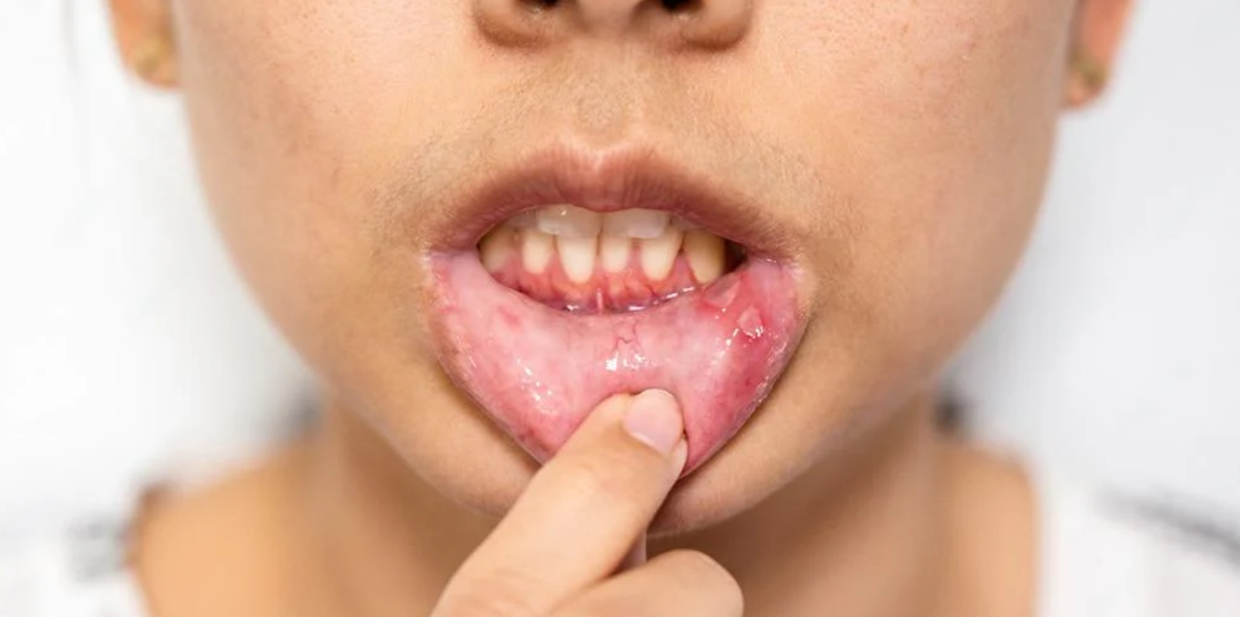
What are Mouth Ulcers?
Mouth ulcers, also known as canker sores or aphthous ulcers, are small, painful lesions that appear in the mouth, usually on the inside of the cheeks, lips, tongue, or at the base of the gums. They are typically round or oval, white or yellow in the center with a red border, and while not contagious, they can be very uncomfortable, making eating and speaking difficult. Most mouth ulcers heal on their own within one or two weeks.

Common Causes of Mouth Ulcers
Mouth ulcers can be triggered by a variety of factors:
- Injury to the mouth from aggressive brushing, accidental cheek biting, or sharp dental work.
- Nutritional deficiencies, particularly B vitamins (B12, folate) and iron.
- Stress and hormonal changes.
- Food sensitivities to acidic or spicy foods.
- Certain medical conditions.
Types of Mouth Ulcer Treatments
- Over-the-counter (OTC) topical treatments: Gels, pastes, or ointments containing ingredients like benzocaine or hydrogen peroxide can numb the area and promote healing.
- Prescription medications: For severe, persistent, or recurrent ulcers, a doctor may prescribe stronger corticosteroid rinses or medications.
- Home remedies: Utilizing natural methods like saltwater rinses or specific herbal applications.
The Benefits of Using Mouth Ulcer Gels
Using a dedicated mouth ulcer gel or ointment offers several advantages:
- Targeted Relief: Applied directly to the sore, it delivers active ingredients where they are needed most.
- Protective Barrier: Many gels form a thin layer over the ulcer, protecting it from food, acid, and bacteria, thus reducing pain and irritation.
- Accelerated Healing: Ingredients often include compounds that soothe the tissue and support cell regeneration.
Factors to consider when choosing a Mouth Ulcer Gel
- Active Ingredients: Look for ingredients that provide pain relief (like anesthetics) and promote healing (like natural extracts, such as Aloe Vera or Licorice).
- Application Ease: The gel should be easy to apply and adhere well to the moist oral tissue.
- Safety Profile: Opt for products with a good safety record, especially if using them on children or for frequent recurrence. Herbal and natural options are often preferred for long-term use.
Home Remedies for Mouth Ulcers
While professional treatments are effective, some home remedies can provide comfort:
- Saltwater rinse: Mix a teaspoon of salt in a glass of warm water and rinse the mouth several times a day.
- Baking soda paste: Apply a paste of baking soda and water to the ulcer.
- Honey: Its natural antimicrobial and healing properties can be beneficial.
- Avoidance: Steer clear of acidic, spicy, and rough-textured foods that can irritate the sore.
Best Ointment for Mouth Ulcers
Choosing the “best” ointment often depends on individual preference and the severity of the ulcer. However, a highly recommended option often involves herbal formulations that combine pain relief with natural healing properties.
Attributes of a Best Mouth Ulcer Treatment:
- Non-irritating
- Fast-acting pain relief
- Promotes rapid healing
- Natural and safe for repeated use
Additional Tips for Preventing Mouth Ulcers
- Maintain Good Oral Hygiene: Brush gently with a soft-bristled toothbrush and use non-SLS toothpaste if you are sensitive to the foaming agent.
- Healthy Diet: Ensure you are getting enough Vitamin B12, folate, and iron.
- Stress Management: Practice relaxation techniques to reduce stress, a common trigger.
- Stay Hydrated: Drink plenty of water.
(The final paragraphs contain a general conclusion and contact/footer information.)
Would you like me to elaborate on the benefits of specific herbal ingredients for mouth ulcers, such as Aloe Vera or Licorice?
1 Comment
Michel John
September 7, 2022Enim ad minim veniam, quis nostrud exercitation ullamco laboris nisi ut aliquip ex ea commodo consequat. Duis aute irure dolor in reprehenderit in voluptate velit esse cillum dolore eu fugiat nulla pariatur.